Avoid common carpet cleaning mistakes in Greenwich homes
Posted on 30/06/2026
If you live in Greenwich, you already know how quickly carpets can start to look tired. One rainy week, a busy hallway, a bit of road dust drifting in from outside, and suddenly a neat room feels less fresh. The tricky part is that many carpet cleaning problems do not come from neglect alone; they come from well-meant mistakes. In this guide, we'll look at how to avoid common carpet cleaning mistakes in Greenwich homes, why those mistakes matter, and what to do instead so your carpets stay cleaner for longer.
Truth be told, carpet care is one of those jobs people think should be simple. A spray, a scrub, a bit of faith. Then the stain spreads, the pile goes flat, or the backing stays damp until that faint musty smell turns up. Not ideal. This article gives you a clear, practical way through it, whether you're cleaning a family home, a rental flat, or a busy SE10 property that sees plenty of foot traffic.
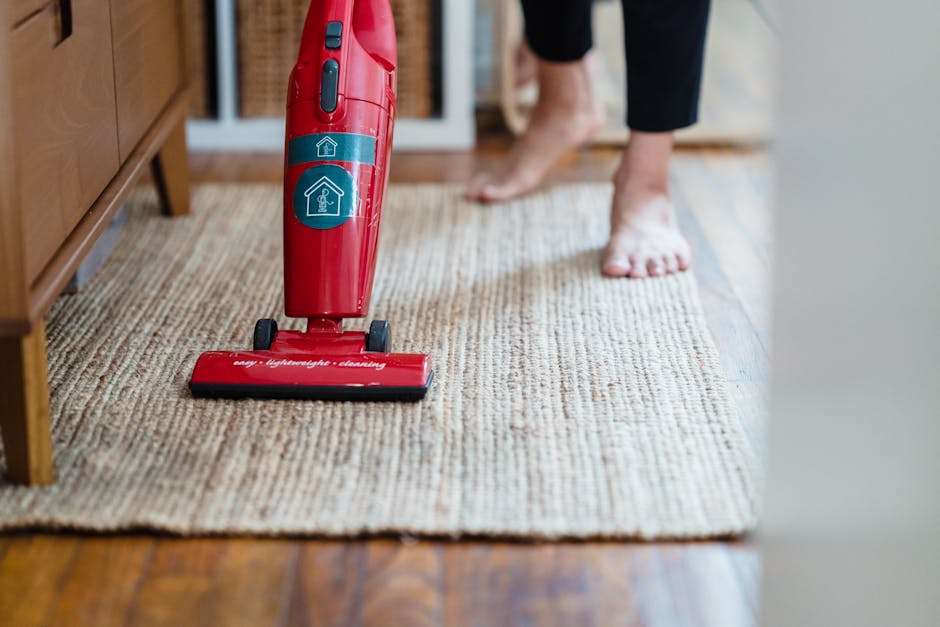
Why Avoid common carpet cleaning mistakes in Greenwich homes Matters
Carpets in Greenwich homes often deal with a mix of city living and everyday family life: muddy shoes after a walk, pollen in spring, crumbs from quick meals, and the occasional spill that seems to happen the moment you look away. If you clean the wrong way, you can do more harm than good. Over-wetting can affect underlay, aggressive scrubbing can flatten fibres, and the wrong detergent can leave a sticky residue that attracts even more dirt.
This matters even more in homes where carpets are part of a longer-term investment. If you're planning to rent, sell, or simply maintain a property nicely, clean carpets are one of those details people notice immediately. They make a room feel cared for. They also help avoid the awkward "what is that smell?" moment that nobody enjoys.
For local homeowners and tenants, the goal is not just to make carpets look clean for a day. It is to protect the carpet structure, keep drying times sensible, and avoid damage that can be expensive or difficult to reverse. That's especially relevant if your carpet cleaning fits into a broader routine, like deep cleaning in Greenwich or regular domestic cleaning support.
Expert summary: Most carpet damage does not come from a single dramatic mistake. It comes from a handful of small habits repeated over time: too much water, too much force, the wrong products, and not enough drying. Get those right, and everything becomes easier.
How Avoid common carpet cleaning mistakes in Greenwich homes Works
At its simplest, effective carpet cleaning follows four stages: loosen dirt, remove stains carefully, extract moisture, and dry properly. The mistake many people make is treating those steps as interchangeable. They are not. If you skip inspection and go straight to heavy cleaning, you may push soil deeper into the pile. If you use the wrong liquid, you may set the stain rather than lift it. A bit annoying, really.
Here is the basic idea. First, identify the carpet type. Wool, synthetic fibres, blends, and loop piles all react differently. Then check the stain or spill. Grease, tea, coffee, pet accidents, and mud need different treatment. After that, decide whether the job is a light refresh, a targeted spot clean, or a full deep clean. Finally, make sure the drying method suits the room and the weather. Greenwich's damp, changeable climate can slow evaporation, so ventilation matters more than people expect.
If you are cleaning a flat, a maisonette, or a family home with limited airflow, drying is often the part that gets overlooked. Open windows when safe, use fans if needed, and avoid walking on the carpet too soon. If you rush this stage, the fibres can stay damp at the base even when the surface feels dry.
For recurring care, many households combine spot treatment with scheduled refreshes, which can sit alongside spring cleaning in Greenwich or a one-off reset after a busy season. That approach is usually kinder to the carpet than waiting for visible grime to build up.
Key Benefits and Practical Advantages
When you avoid the usual mistakes, the benefits show up pretty quickly. The carpet keeps its texture. Colours stay truer. Stains are less likely to spread. And, yes, rooms just feel fresher. There is also a practical side that matters in a busy household.
- Better appearance: Fibres keep their shape and look more even across high-traffic areas.
- Longer carpet life: Gentle methods reduce wear on the pile and backing.
- Less residue: The right products are easier to rinse out, so dirt does not cling as fast.
- Faster drying: Proper technique reduces the chance of damp smells and re-soiling.
- Lower cost over time: Preventing damage is usually cheaper than fixing it later.
There is another advantage that people often forget: confidence. If you know what you are doing, you stop second-guessing every spill. That alone can make home care feel much less stressful.
Who This Is For and When It Makes Sense
This advice is useful for just about anyone with carpeted rooms, but a few groups benefit especially.
- Homeowners who want to protect their flooring and keep the home looking cared for.
- Renters who need to avoid cleaning mistakes that could create issues at the end of a tenancy.
- Families dealing with daily mess, school shoes, food spills, and pet hair.
- Landlords and letting agents who need properties to stay presentable between occupants.
- Busy professionals who prefer a cleaner home without turning weekends into a full-scale project.
It also makes sense when you notice your carpet is looking flat, patches are uneven, or old stains seem to "return" after cleaning. That last one is common. It usually means residue or wicking, where moisture pulls old soil back up from deeper in the carpet. Not glamorous, but very real.
If your home is nearing a move-out, a sale, or a bigger clear-out, carpet care is best thought of as part of the wider picture. You can pair it with end of tenancy cleaning where needed, or use it as part of a broader property refresh alongside house cleaning in Greenwich.
Step-by-Step Guidance
Here is a straightforward way to clean carpets without falling into the most common traps.
1. Start with a proper check
Look at the carpet fibre, the age of the stain, and the traffic level in the area. A hallway runner and a bedroom carpet are not the same job. If the carpet is wool, be especially careful with heat and harsh chemicals. If you are not sure, test a hidden patch first. Always.
2. Remove dry soil before using liquid
Vacuum thoroughly before any wet cleaning. That simple step prevents grit from turning into mud once moisture is added. It also stops you from rubbing in loose debris. A lot of people skip this and then wonder why the carpet looks worse after cleaning. Easy to do, easy to avoid.
3. Treat the stain gently
Blot, don't rub. Work from the outside of the stain inward to avoid spreading it. Use a small amount of cleaner rather than soaking the area. More product is not better here; it usually just means more residue later.
4. Control the moisture
Use as little water as possible while still getting the job done. Over-wetting is one of the biggest mistakes in Greenwich homes, especially in flats where airflow is limited. If the carpet pad gets wet, drying takes longer and the risk of odour rises.
5. Rinse or extract properly
Cleaning solution left in the fibres will attract dust. If you use a machine or a wet-cleaning method, make sure the excess is removed well. People often assume the carpet is clean when the stain disappears, but the residue behind it can make the area dull again within days.
6. Dry the carpet fully
Ventilation matters. Use windows, fans, or dehumidification if needed. Don't put furniture back too early and don't cover damp carpet with rugs. That can trap moisture and create marks. A bit of patience goes a long way, honestly.
7. Re-check once dry
After the carpet is dry, look again in daylight. Some stains only become visible when the pile settles. If needed, repeat a gentle spot treatment rather than launching straight into a full second soak.
Expert Tips for Better Results
There are small choices that make a noticeable difference. These are the kinds of details that experienced cleaners tend to do almost automatically.
- Work with the fibre, not against it. Gentle agitation is enough for most spot cleaning. Heavy scrubbing can fuzz the pile.
- Use minimal product. If a cleaner foams heavily, it may be harder to rinse and more likely to leave a trace.
- Act quickly on spills. Tea, coffee, wine, and pet accidents become harder to handle as they set.
- Don't mix products. It sounds obvious, but it happens. Mixed cleaners can react badly or leave uneven results.
- Keep a clean white cloth handy. Colour can transfer from towels, especially when the carpet is damp.
- Think about room conditions. A warm sunny room cleans differently from a cool shaded one. Drying time changes everything.
One small but useful habit: take a quick photo before and after cleaning if the stain was tricky. It helps you judge whether the mark is actually disappearing or just spreading in a less obvious way. Slightly nerdy, maybe, but effective.
If you want a deeper understanding of how local homes vary, this carpet cleaning guide for SE10 homes is a useful companion read, especially if you live in a busy household or period property.
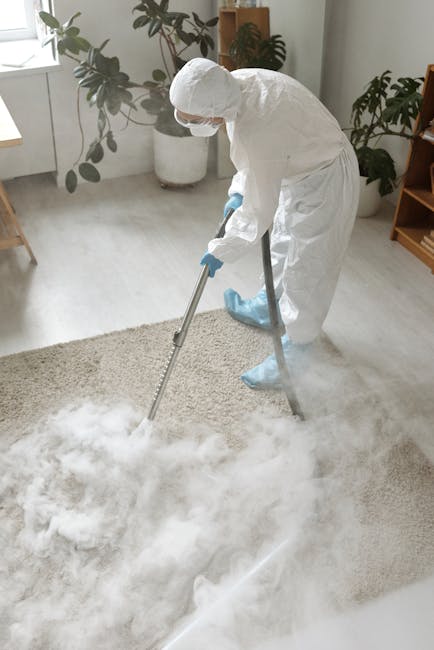
Common Mistakes to Avoid
This is the heart of the matter. Most carpet cleaning failures can be traced back to a few repeat offenders.
| Mistake | What usually goes wrong | Better approach |
|---|---|---|
| Rubbing stains hard | Pushing dirt deeper and damaging fibres | Blot gently and work from the outside in |
| Using too much water | Slow drying, odour, backing damage | Use controlled moisture and extract well |
| Skipping vacuuming | Loose grit turns to mud | Vacuum before applying any liquid |
| Using the wrong product | Discolouration, residue, or fibre damage | Check compatibility and test first |
| Cleaning without drying plans | Damp smells and re-soiling | Ventilate and allow full drying time |
| Over-cleaning the same area | Patchy wear and flattened pile | Clean only as needed, then reassess |
Another mistake is ignoring the rest of the room. If upholstery, curtains, or dust-heavy corners are dirty, the carpet will not stay fresh for long. That's why some households plan carpet care with other soft furnishings, including upholstery cleaning in Greenwich or related soft-furnishing care like this guide to cleaning velvet curtains.
And yes, using a scented spray to cover a problem is still a mistake, even if the room smells a bit nicer for an hour. Fragrance is not a cleaning method. Slightly rude of the market to suggest otherwise, really.
Tools, Resources and Recommendations
You do not need a van full of equipment to clean carpets properly. In most Greenwich homes, a sensible starter set is enough.
- Vacuum cleaner with a decent brush setting for regular soil removal.
- White microfibre cloths for blotting spills and spot treatment.
- Soft-bristled brush for gentle loosening where suitable.
- Neutral carpet cleaner suitable for your carpet type.
- Fan or dehumidifier to speed drying in enclosed rooms.
- Protective gloves if you are using cleaning products regularly.
For homeowners who want a broader maintenance plan, it can help to map carpet care into seasonal routines. A spring refresh, a one-off clean after heavy use, or a full property reset before guests arrive all make sense depending on the situation. If you're comparing support options, the services overview and pricing and quotes pages can help you understand the sort of cleaning structure that fits your home.
If you are short on time or the carpet is delicate, there is no shame in getting help. In fact, for tricky stains or large areas, it can save time, effort, and a fair bit of frustration. The same goes if you need quick turnaround in a busy household; sometimes same-day carpet cleaning near Greenwich Station is the practical answer rather than another weekend spent on your knees with a cloth.
Law, Compliance, Standards, or Best Practice
For most homeowners, carpet cleaning is a practical maintenance task rather than a regulated process. Even so, there are sensible standards to keep in mind. In the UK, cleaning products should be used according to the label, and anyone carrying out cleaning in a home or managed property should work safely, ventilate rooms where appropriate, and avoid mixing chemicals that are not meant to be combined.
If you are dealing with rented accommodation, it is smart to follow the tenancy agreement and leave the property in a reasonable condition. That does not mean chasing perfection with harsh products. It means using normal, sensible care and avoiding damage. Landlords and tenants alike usually benefit from keeping evidence of cleaning if there is any dispute, though the exact paperwork varies by situation.
For households that prioritise safety, it is also worth checking the cleaner's suitability for children, pets, and particular fibres before use. If you are hiring help, look for a company that is clear about its working methods and safety practices. The same goes for peace of mind around service standards and payment handling; pages like health and safety policy and payment and security can be reassuring when you want a bit more transparency.
In short, the best practice is simple: use suitable products, avoid unnecessary moisture, ventilate well, and don't take shortcuts that could damage the carpet or the room beneath it.
Options, Methods, or Comparison Table
Different carpet cleaning methods suit different situations. Choosing the wrong one is another common mistake, especially when one size clearly does not fit all. Here's a simple comparison.
| Method | Best for | Pros | Watch-outs |
|---|---|---|---|
| Vacuum-only maintenance | Regular upkeep and light soil | Fast, low-risk, easy to repeat | Won't remove deep stains or embedded dirt |
| Spot cleaning | Fresh spills and isolated marks | Targeted, efficient, affordable | Can leave tide marks if overdone |
| Wet extraction or deep cleaning | Heavier soil and full-room refresh | More thorough result, lifts deeper dirt | Needs correct drying and careful technique |
| Professional cleaning | Delicate carpets, large areas, or stubborn stains | More controlled, less trial-and-error | Cost depends on the job and access |
For most Greenwich households, the best answer is a mix: routine vacuuming, quick spill response, and a deeper clean when the carpet starts to lose its freshness. That balanced approach usually works better than swinging between neglect and emergency cleaning. All or nothing rarely helps.
Case Study or Real-World Example
A typical Greenwich scenario goes like this. A family in a Victorian terrace notices a dull patch in the hallway. It is not a stain exactly, more a greyed area where shoes and prams pass every day. They try a strong cleaner, scrub hard, and use more water than they intended. The patch looks better for a few hours, then dries with a ring around the edge. Frustrating, and very common.
What changed the result was a calmer method. First, the carpet was vacuumed properly. Then the area was treated with a small amount of suitable cleaner, blotted rather than scrubbed, and dried with open windows and a fan. The pile still needed some time to recover, but the result was more even and the fibre stayed intact.
That kind of example is useful because it shows the real lesson: the problem is rarely the carpet itself. It is usually the speed, the product choice, or the lack of drying control. If the home is especially busy or getting ready for visitors, a planned clean can be tied into a broader refresh like preparing spaces for events in Greenwich or a property round-up before guests arrive. A clean carpet quietly does a lot of work in the background.
Practical Checklist
Use this checklist before you clean a carpet in your Greenwich home.
- Check the carpet fibre and spot-test any product in a hidden area.
- Vacuum thoroughly before applying liquid.
- Use a small amount of cleaner rather than soaking the area.
- Blot spills gently; do not rub hard.
- Avoid over-wetting the carpet or underlay.
- Work from the outside of a stain toward the centre.
- Rinse or extract residue if the method requires it.
- Ventilate the room and allow full drying time.
- Keep furniture off the carpet until it is fully dry.
- Re-check the result in daylight once the carpet has dried.
If you can tick all ten, you are already ahead of the usual mistakes. Not glamorous, perhaps, but very effective.
Conclusion
To avoid common carpet cleaning mistakes in Greenwich homes, focus on the basics that genuinely matter: know your carpet, use the right product, keep moisture under control, and give the fibres time to dry properly. That is the difference between a carpet that looks freshly cared for and one that ends up tired, patchy, or damp.
Whether you are handling a spill in a busy hallway, refreshing a flat before guests arrive, or planning a more thorough clean as part of wider home maintenance, a careful approach will always beat a rushed one. And if the job feels too awkward, too large, or just not worth risking, there is a sensible middle ground. You can ask for support and keep your home looking the way you want it to. Nice and simple, really.
Get a free quote today and see how much you can save.
If you want a more complete local overview of home care, you may also find it useful to browse the latest articles in the Greenwich carpet cleaning blog or learn more about the team on the about us page.