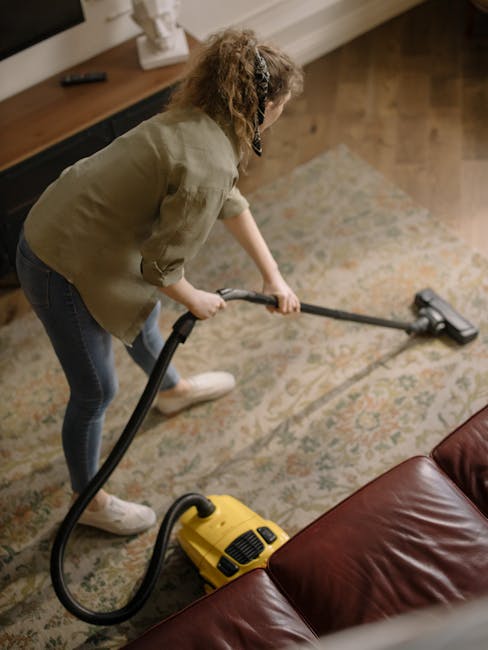
Carpet cleaning guide for SE10 homes Greenwich
Posted on 29/05/2026
If you live in SE10, you already know the carpet takes a fair bit of punishment. Muddy shoes after a damp walk by the river, a spill during dinner, a bit of dust from open windows in summer, and suddenly the room feels less fresh than it should. This Carpet cleaning guide for SE10 homes Greenwich is here to make things simpler. Whether you are trying to keep a family home looking tidy, get a rental ready for check-out, or just deal with a carpet that has lost its lift, the right approach saves time, money, and a lot of faff.
Below, you will find a practical, local-friendly guide to how carpet cleaning works, what methods suit different homes, what to avoid, and how to know when it makes sense to bring in a professional. I will also cover the bits people often overlook, like drying time, fibre safety, and how cleaning fits into wider home care. Nothing too glossy. Just the stuff that actually helps.
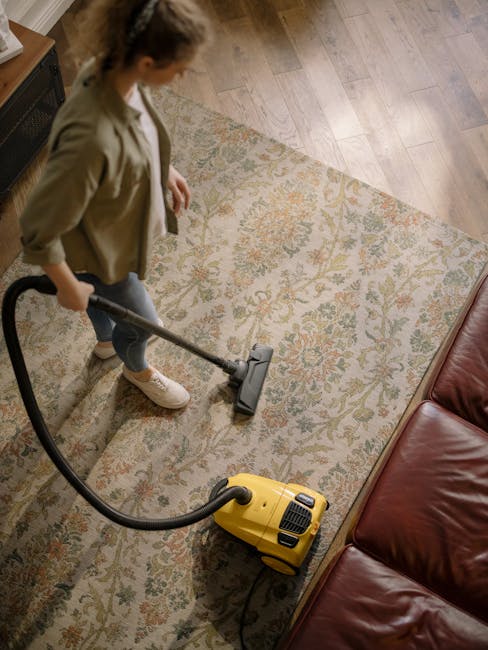
Why Carpet cleaning guide for SE10 homes Greenwich Matters
Carpets do more than soften a room. They catch dust, crumbs, pet hair, pollen, and the little bits of life that settle in unnoticed. In Greenwich homes, that matters even more because many properties mix older layouts, busy family rooms, and everyday foot traffic that comes with London living. A carpet can look fine on the surface while holding on to grime below the pile. That is where the room starts to feel dull, even when you have "cleaned" it.
Truth be told, carpets in SE10 often need more than a quick vacuum. Homes near busy streets or high-traffic areas tend to collect fine dirt more quickly, and older properties can have carpets that are beautifully made but a little more sensitive to over-wetting or harsh chemicals. If you are comparing options for broader home maintenance, it can help to look at related services too, like deep cleaning in Greenwich or spring cleaning support, especially if you are refreshing more than one room at a time.
There is also a practical side. Clean carpets tend to last longer, smell fresher, and recover their texture better after heavy use. That matters whether the carpet is in a family lounge, hallway, bedroom, or a home office that has become a bit of a storage room. We have all seen it happen.
How Carpet cleaning guide for SE10 homes Greenwich Works
At a basic level, carpet cleaning removes soil from the fibres using a combination of pre-treatment, agitation, extraction, and drying. The exact method depends on the carpet material, the level of soiling, and whether the issue is general dirt, a stain, or odour.
In most homes, the process begins with inspection. A good cleaner looks at the fibre type, pile direction, backing, wear patterns, and any stains that need special treatment. Wool, synthetic blends, and delicate fibres do not all behave the same way, and they definitely should not be treated as if they do.
From there, the carpet is usually vacuumed thoroughly to remove loose debris. That sounds basic, but it makes a real difference. If grit stays in the pile, it can interfere with cleaning and cause abrasion during the process. After that, a suitable pre-spray or spot treatment is applied. The carpet may then be agitated lightly to help lift soil, followed by extraction or another method depending on the chosen system.
Drying is the part many people underestimate. A carpet that has been cleaned but left damp for too long can feel unpleasant underfoot and, in some cases, may develop odours. Good airflow, sensible humidity, and avoiding heavy foot traffic during drying all help. On a drizzly Greenwich afternoon, that may take a bit of planning. It is not glamorous, but it is important.
Key Benefits and Practical Advantages
The obvious benefit is appearance. A freshly cleaned carpet simply looks better. Colours appear clearer, the pile stands up more evenly, and the room feels more cared for. But the less visible benefits are often the ones people notice first.
- Better indoor freshness: Regular cleaning can reduce the stale, trapped smell that builds up in soft furnishings.
- Longer carpet life: Dirt particles are abrasive. Removing them helps fibres last longer.
- Improved comfort: Clean fibres feel softer and more pleasant underfoot.
- Better stain control: Early treatment can stop a small accident becoming a permanent mark.
- More appealing home presentation: Handy if you are renting, selling, hosting, or simply keeping standards up.
There is also a psychological benefit. A room with a clean carpet tends to feel calmer. Sounds odd, maybe, but when the soft surfaces in a home are fresh, the whole place feels less cluttered. That is especially noticeable in smaller SE10 properties where every room carries a lot of visual weight.
Expert summary: The best carpet cleaning approach for a Greenwich home is rarely the most aggressive one. It is the one that matches the fibre, the soil level, and the drying conditions in your property.
Who This Is For and When It Makes Sense
This guide is useful for a few different types of SE10 homeowner or tenant. If your carpet is lightly marked but otherwise healthy, a careful maintenance clean may be enough. If you have visible traffic lanes in a hallway, pet odours in a lounge, or a carpet that feels flat and tired, you may need a deeper service. And if you are moving out, cleaning the carpet properly can be one of those final details that makes the whole property feel sorted.
Here are the most common situations where carpet cleaning makes sense:
- Family homes: Food spills, muddy shoes, and general wear build up faster than most people expect.
- Rental properties: End-of-tenancy cleaning is often more straightforward when carpets have been treated professionally. If that is your situation, you may also want to look at end-of-tenancy cleaning alongside carpet care.
- Homes with pets: Fur, dander, and the occasional accident need specific treatment.
- Older houses: Natural fibres or historic interiors can benefit from a gentler, more considered approach.
- Busy households: Hallways, stairs, and living rooms often show wear long before the rest of the home does.
If you are unsure whether your carpet needs a light refresh or a proper deep clean, ask yourself one question: does vacuuming alone still make the room feel clean? If the answer is no, it is probably time for something more thorough.
Step-by-Step Guidance
Here is a practical way to handle carpet cleaning without making life harder than it needs to be. The steps are simple, but the order matters.
- Identify the carpet fibre. Wool, nylon, polypropylene, and blends all respond differently to heat, moisture, and chemicals.
- Vacuum properly. Go slowly, especially in traffic areas. Two passes are often better than one rushed pass.
- Test stains before treating them. Blot first, then use a small amount of the right product. Never rub hard; that just pushes the stain around.
- Pre-treat the dirty areas. Hallways, under-sofa edges, and entry zones usually need extra attention.
- Choose the right cleaning method. Hot water extraction, low-moisture cleaning, and dry compound methods all have different uses.
- Rinse or extract carefully. Too much residue can leave the carpet sticky, which attracts dirt again.
- Dry thoroughly. Ventilate the room and keep foot traffic light until the carpet is fully dry.
- Finish with grooming. Brushing the pile in one direction can improve appearance and help drying.
If a stain is particularly stubborn, do not keep attacking it blindly. That is how colour damage starts. Better to pause and use a more suitable approach than to make a stain and a patchy repair. Nobody wants that little moment of regret at 9 p.m. on a Tuesday.
Quick treatment example
Imagine a coffee spill on a pale lounge carpet. The right move is to blot it with a clean white cloth, apply a small amount of suitable stain remover, work from the outside in, and extract the moisture carefully. The wrong move is scrubbing hard with a coloured sponge and hoping for the best. It rarely ends well.
Expert Tips for Better Results
Some small adjustments make a huge difference. These are the things that tend to separate an okay result from a genuinely good one.
- Work from dry to wet. Remove loose dirt before adding any moisture.
- Use as little liquid as possible. Over-wetting is one of the fastest ways to create long drying times and possible odours.
- Treat stains early. The longer a spill sits, the harder it tends to bond to the fibres.
- Think about airflow. Open windows where sensible, use fans if needed, and avoid trapping humidity in the room.
- Protect freshly cleaned areas. A simple towel runner or temporarily moved furniture can prevent re-soiling.
- Pair carpet care with upholstery care. If sofas and chairs are dusty or marked, the room may still feel unfinished. For that, see upholstery cleaning in Greenwich.
One more thing: do not assume "stronger" products are better. Harsh chemicals can strip colour, leave residue, or damage delicate fibres. Mild and targeted is usually the smarter play. Slightly boring, yes. More effective, also yes.
When to leave it to a professional
If the carpet is wool, antique, heavily soiled, or affected by repeated pet accidents, a professional clean is often the safer choice. Professionals also help when you need a consistent finish across several rooms or a same-day turnaround before guests, photos, or a tenancy inspection. If you want to see the broader range of support available, the services overview is a useful place to start.
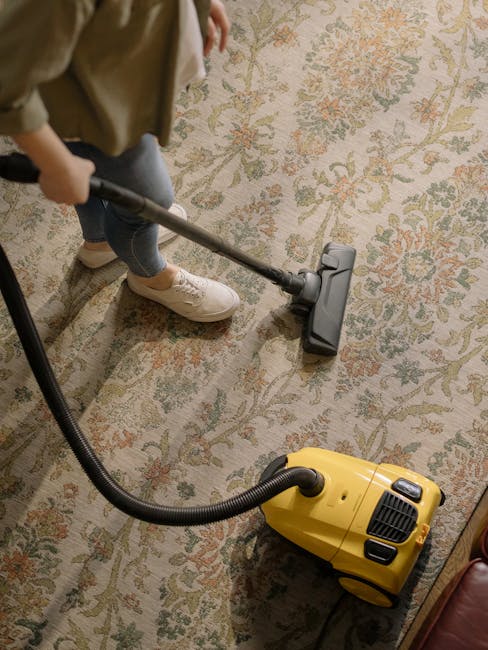
Common Mistakes to Avoid
Most carpet problems are not caused by one dramatic mistake. They are usually caused by a few small ones repeated over time. The good news? These are easy to avoid once you know them.
- Using too much water: This can soak the backing and lengthen drying time.
- Scrubbing stains aggressively: That pushes soil deeper and can rough up fibres.
- Ignoring the fibre type: A method that works on synthetic carpet may not suit wool.
- Cleaning only the visible patch: This can leave a halo or a cleaner-looking square in the middle of a duller room.
- Skipping the vacuum stage: Loose grit must go first.
- Walking on damp carpet too soon: It can flatten the pile and transfer dirt straight back in.
A subtle mistake people make in Greenwich homes is forgetting the edge zones. Corners, skirting lines, and areas behind doors collect dust surprisingly fast. If you only clean the centre of the room, the carpet can still feel tired. A bit annoying, but true.
Tools, Resources and Recommendations
You do not need a huge kit to keep carpets in good shape. A few sensible tools and habits go a long way.
| Tool or resource | Best use | What to watch for |
|---|---|---|
| Vacuum with a brush bar | Routine dirt removal and pile lifting | Avoid overly harsh settings on delicate carpets |
| White microfibre cloths | Blotting spills and spot treatment | Coloured cloths can transfer dye |
| Soft carpet brush | Helping cleaning solution spread evenly | Use gently to avoid fibre damage |
| Fan or air mover | Supporting drying in closed rooms | Keep airflow steady, not blasting |
| Professional inspection | Choosing the right method and spotting risk areas | Especially useful for wool or older carpets |
If you are planning a bigger refresh, it can make sense to combine carpet care with house cleaning in Greenwich or domestic cleaning support so the whole property feels coherent rather than half-done. That is often the difference between tidy and truly fresh.
For homeowners comparing service levels or budgeting for a one-off visit, it is also worth looking at pricing and quotes and, if helpful, exclusive rates. A good quote should be clear about what is included. No hidden surprises. We all like that.
Law, Compliance, Standards, or Best Practice
For a homeowner, carpet cleaning is usually about best practice rather than legal compliance. Still, there are a few sensible UK expectations worth keeping in mind. Cleaning products should be used according to their instructions, and any work involving wet cleaning should be carried out safely to reduce slip risk, electrical hazards, and over-wetting problems. That is especially relevant in homes with children, elderly residents, or limited ventilation.
If you are hiring a cleaning company, it is fair to ask how they handle insurance, safety, and complaints. Those questions are not awkward; they are practical. A trustworthy provider should be able to explain their process clearly and point you toward relevant policies. On this website, the insurance and safety information and the health and safety policy are useful reference points, and the complaints procedure helps set expectations if anything ever needs to be raised.
Best practice also means being honest about limitations. Not every stain can be removed completely. Some dyes, burns, and wear marks are permanent. A good cleaner should explain that upfront rather than promising miracles. Frankly, that kind of honesty is a positive sign.
Options, Methods, and Comparison Table
Different carpet cleaning methods suit different homes. Here is a straightforward comparison to help you decide what makes sense.
| Method | Best for | Advantages | Limitations |
|---|---|---|---|
| Hot water extraction | General deep cleaning, family homes, heavier soil | Thorough, effective on embedded dirt | Longer drying time; not ideal for all delicate carpets |
| Low-moisture cleaning | Busy homes, quicker turnaround | Faster drying, less disruption | May need more frequent maintenance |
| Dry compound cleaning | Delicate fibres or moisture-sensitive rooms | Minimal water use | Not always as deep as extraction for heavy soil |
| Spot cleaning only | Fresh spills and small areas | Fast and focused | Does not address overall carpet condition |
If you are trying to decide between a basic refresh and a more thorough visit, think about how the carpet looks in daylight. That is where tired pile and uneven wear usually show up first. Evening lighting can be forgiving. Morning light? Less so.
Case Study or Real-World Example
A typical SE10 scenario goes like this. A family in Greenwich notices their hallway carpet has become greyish at the front door and the lounge has a faint smell after a wet winter. Vacuuming helps, but not enough. They were close to replacing the carpet, which would have been far more expensive than necessary.
Instead, the carpet was assessed first. The hallway had compacted grit from shoes and the lounge had a couple of older spill marks, nothing dramatic but enough to dull the room. A careful deep clean with spot treatment, followed by proper drying and pile grooming, brought back a much brighter finish. The carpet was not brand new, of course, but it looked respected again. That matters in a home.
The biggest lesson from situations like this is simple: act early. Carpets do not usually fail all at once. They wear down slowly, and then one day they just feel "off". Cleaning at the right time can extend the life of a carpet by a lot more than people expect. Not magic. Just sensible maintenance.
Practical Checklist
Use this checklist before and after carpet cleaning in your SE10 home.
- Vacuum the room thoroughly, including edges and under movable furniture.
- Check the carpet fibre if you know it, or inspect for signs it may be wool or delicate.
- Test any stain treatment in a small hidden area first.
- Remove breakables and small furniture before the clean starts.
- Open windows or plan airflow for drying.
- Keep pets and children off the carpet until it is dry.
- Use only a small amount of cleaning solution where needed.
- Blot spills rather than scrubbing them.
- Photograph stubborn stains before treatment if you are managing a tenancy or booking record.
- Book a deeper professional clean if the carpet still looks flat after routine care.
Mini reminder: if the carpet smells clean but still feels sticky, something has probably been left behind in the fibres. That is worth correcting sooner rather than later.
Conclusion
Carpet care in SE10 does not need to be complicated, but it does need to be thoughtful. The right method depends on the carpet, the room, the level of soil, and how quickly you need the space back in use. If you remember one thing from this Carpet cleaning guide for SE10 homes Greenwich, let it be this: gentle, correct, and timely cleaning is usually better than aggressive cleaning done in a rush.
Whether you are protecting a family living room, getting a rental ready, or just trying to make your home feel like itself again, a sensible cleaning plan can make a real difference. And if you are not sure where to begin, that is completely normal. A proper inspection and a clear explanation often solve more than people expect.
If you want to explore the wider service options, take a look at carpet cleaning in Greenwich or learn more about the team on the about us page. For a broader local context, the blog also covers getting to know Greenwich as a London borough, which is a nice backdrop for understanding how homes in the area are lived in day to day.
Get a free quote today and see how much you can save.