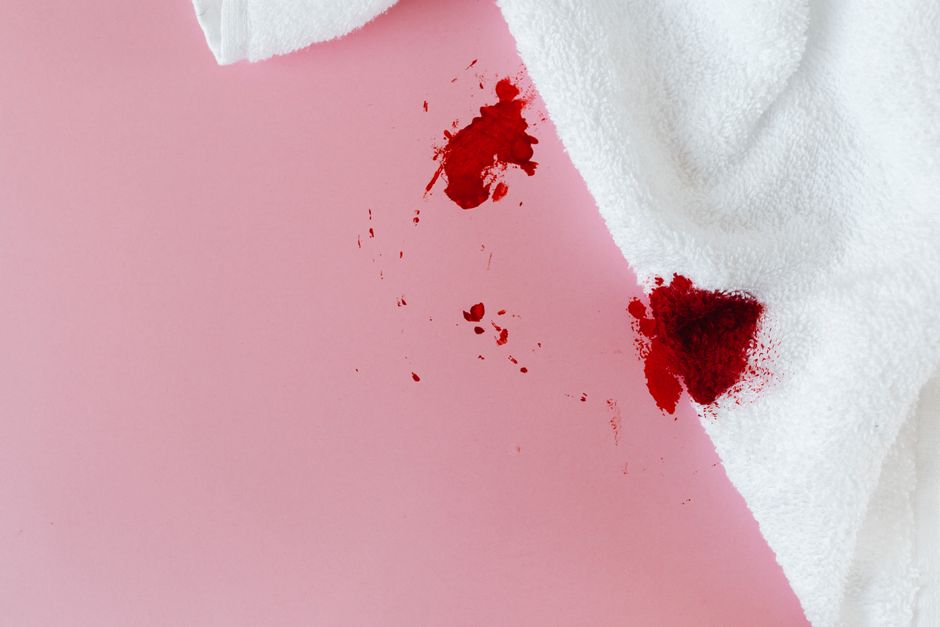
What to know about emergency stain removal in Greenwich
Posted on 01/08/2026
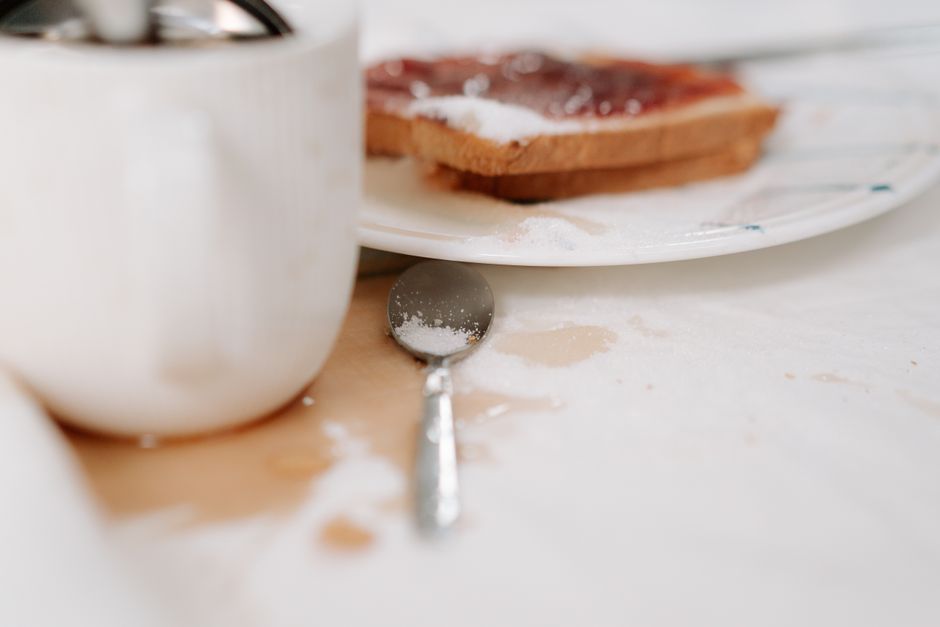
Spills happen at the worst possible moment. A glass of red wine tips over during dinner, a muddy footprint lands on a cream carpet, or coffee disappears into an armchair just before guests arrive. If you are trying to work out what to know about emergency stain removal in Greenwich, the short version is this: speed matters, the wrong product can make things worse, and the fabric or surface matters even more. The good news? With the right first steps, many stains can be reduced significantly before they become permanent. This guide walks you through the practical side, the local considerations, and the common mistakes that trip people up.
If you want broader background on keeping your home in good shape, it can also help to skim the common carpet cleaning mistakes to avoid and the carpet cleaning guide for SE10 homes. They give useful context for everyday care, not just emergencies.
Why What to know about emergency stain removal in Greenwich Matters
In a busy London household, stain emergencies rarely arrive with a warning. One minute you are enjoying a late tea, the next you are staring at a spreading patch on the sofa. That is why emergency stain removal in Greenwich matters: it is less about perfection and more about damage control. The first ten minutes often decide whether a mark lifts cleanly or settles deep into fibres.
Greenwich homes also come with their own practical quirks. You may be dealing with compact flats, older carpets, fitted furnishings, or mixed-use rooms that see plenty of foot traffic. A stain in a hallway runner is different from one on velvet, wool, or a dining chair. The method changes every time. To be fair, that is where people often get caught out. They treat every stain as if it were the same problem. It never is.
There is another reason it matters locally: many Greenwich homes are simply lived in. Busy family schedules, pets, visitors, takeaway boxes, weekend entertaining, and the odd splash of paint during DIY all add up. If you know how to respond quickly, you protect your furnishings, save time, and usually save money too. And if the mess is on a larger surface, such as a carpet or upholstered chair, a prompt response can make professional cleaning much more effective later on.
How What to know about emergency stain removal in Greenwich Works
Emergency stain removal works through a simple idea: remove as much of the spill as possible before it binds to the material. That sounds straightforward, but the details matter. Different stains behave differently. Water-based marks, oily marks, protein-based spills, tannins, dyes, and mud all respond in their own way.
The usual process starts with identifying three things:
- What caused the stain - coffee, wine, ink, food, grease, pet mess, and so on.
- What it landed on - carpet, rug, upholstery, mattress, curtain, hard flooring, or clothing.
- How long it has been there - fresh spills are far easier than dried, heat-set, or rubbed-in marks.
Once you know that, you can choose a safer approach. For example, a fresh sauce spill on a cotton-covered chair may respond well to blotting and cool water. Ink on a synthetic sofa needs much more caution. A wine stain on a wool carpet might need minimal moisture, because oversoaking can spread the colour. The texture of the surface matters as much as the stain itself.
In practice, the best emergency response is calm, quick, and controlled. No frantic scrubbing. No random chemicals from under the sink. And definitely no "let's see what happens" optimism. We have all seen that go wrong.
If the stain is on flooring or furniture that forms part of a broader cleaning plan, it may also be worth thinking ahead. A one-off visit can sometimes be a smarter choice than trying to patch things up repeatedly. The company's one-off cleaning in Greenwich page is useful if your emergency spill is part of a bigger mess, like after a party or a tenant move-out.
Key Benefits and Practical Advantages
Fast stain response offers more than just a tidier room. It protects materials, preserves appearance, and prevents that slightly embarrassing "we meant to clean that" moment when guests arrive. More importantly, it reduces the chance that a small accident becomes a permanent mark.
- Better stain lift - fresh spills are usually easier to remove than old ones.
- Less fibre damage - harsh rubbing and over-wetting can distort carpets and upholstery.
- Lower risk of spreading - the wrong technique can push colour outward and enlarge the mark.
- Improved hygiene - some spills, especially food or pet-related, can leave odours or residue.
- Longer life for furnishings - proper treatment helps carpets and upholstery last longer.
There is a financial angle as well. If you live in a rented property, a stain left untreated can complicate end-of-tenancy discussions. If you own the home, repeated damage may shorten the lifespan of expensive items. Either way, early action is usually cheaper than replacement. That is just plain common sense, really.
People also underestimate the time saving. A five-minute response can prevent an hour of panic later. And in some cases, a professional may be able to complete a focused stain treatment far more quickly if the area has not been overworked with household products first.
Who This Is For and When It Makes Sense
Emergency stain removal is useful for almost anyone, but it becomes especially relevant if you are managing a busy household, a rental property, a shared flat, or a workspace with regular visitors. In Greenwich, that could mean a family home near school runs, a riverside apartment with light furnishings, or a small office where coffee spills are just part of the day. Sadly, yes, that is life.
This kind of guidance makes sense when:
- the stain is fresh and you want to stop it from setting
- the material is delicate or expensive
- the spill is large or spreading
- you are unsure which cleaning method is safe
- the stain involves grease, ink, dye, wine, blood, or pet accidents
- you need the room back in use quickly
It is also relevant if you are preparing for guests or managing a property handover. A quick response can be the difference between "sorted" and "we'll have to replace that." For tenants, landlords, and hosts, that distinction matters. If you are considering broader local services after a spill-heavy event, the guide to end-of-tenancy cleaning in Greenwich Market area and the deep-cleaning tips for flats on King William Walk may be useful next steps.
Step-by-Step Guidance
If you only remember one thing, remember this: blot first, test second, and keep your cool. Stains are annoying enough without turning them into a bigger problem.
- Act immediately. The sooner you respond, the better the odds. Fresh liquid can usually be lifted more effectively than dried residue.
- Remove excess material. Scoop up solids with a spoon or blunt edge. If it is a liquid, blot gently with white kitchen towel or a clean cloth.
- Work from the outside inward. This helps prevent the stain from spreading into a larger ring.
- Use as little moisture as possible. Too much water can drive the stain deeper or damage underlay, seams, or padding.
- Test any cleaner first. Check it on a hidden spot before treating the visible area. Always.
- Blot, do not scrub. Scrubbing frays fibres and can set the stain further.
- Repeat carefully. Use small amounts of solution and lift residue as you go. Patience matters here.
- Dry properly. Air circulation helps. A fan can be useful. Leaving a damp patch for hours is asking for trouble.
For carpets specifically, it helps to know the fibre type. Synthetic fibres tend to be more forgiving than natural ones, while wool can react badly to the wrong cleaner or excessive agitation. If you are unsure, stop before you make things worse. That is not defeat; that is good judgement.
For upholstery, check cushions, labels, trims, and seams. A stain on a removable cushion cover is a different job from a spill that has reached the padding. And if the spill has reached several layers, DIY treatment can only go so far.
Expert Tips for Better Results
There are a few habits that consistently improve outcomes. None of them are dramatic, but they help. A lot.
- Use white cloths or plain paper towels. Coloured cloths can transfer dye, especially on damp surfaces.
- Keep one cleaning motion per cloth. Once a cloth is dirty, switch it out. Otherwise, you are just reapplying the mess.
- Know when heat is risky. Heat can set protein stains and some dyes. Warm water is not always your friend.
- Be especially cautious with wine, ink, and grease. These stains often need a more specialised approach.
- Ventilate the room. Fresh air helps drying and reduces lingering odours. Open a window if practical.
- Take a photo before treatment. Not because it is glamorous, just because it helps if you later need professional help and want to explain what happened.
One practical tip from real-life clean-ups: keep a very small stain-response kit in a kitchen drawer or utility cupboard. A cloth, white paper towels, a gentle cleaning solution, and a pair of gloves are enough to get started. It sounds a bit overprepared until the moment you need it. Then it feels brilliant.
Also, if the stain is on furniture or curtains rather than carpet, it can help to read related fabric advice first. The article on how to clean velvet curtains without ruining the finish is particularly useful if your emergency involves a delicate textile.
Common Mistakes to Avoid
Most stain disasters are not caused by the stain itself. They are caused by the response. Bit harsh, but true.
- Rubbing aggressively. This usually spreads the mark and damages the pile or weave.
- Using random household products. Mixing cleaners or applying strong chemicals can create discoloration.
- Soaking the area. More liquid does not mean more cleaning power.
- Ignoring the backing or padding. If the stain has soaked through, surface treatment may not be enough.
- Waiting too long. Time can turn a manageable spill into a stubborn set stain.
- Trying multiple methods at once. That often makes diagnosis harder and the result less predictable.
A common example: someone drops sauce on a carpet, scrubs it with a kitchen sponge, then sprays a generic cleaner, then adds more water because "it still looks there." By that point the mark may have spread into the fibres and the underlay. You can see why professionals prefer a calmer, more controlled process.
If you want to avoid turning a straightforward clean into a more expensive one, it is worth reviewing pricing habits too. The article on hidden charges to watch for in Greenwich cleaning quotes gives a sensible overview of what to ask before booking.
Tools, Resources and Recommendations
You do not need a cupboard full of specialist products to handle the first stage of emergency stain removal. In fact, too many products can make decision-making messy. A modest, sensible kit is usually best.
| Tool or item | Why it helps | Best use |
|---|---|---|
| White cloths or paper towels | Helps blot without transferring dye | Fresh spills on carpet, upholstery, and hard surfaces |
| Soft spoon or blunt edge | Removes solids without rubbing them in | Food, mud, and thick residue |
| Gentle cleaning solution | Useful for basic stain treatment when tested first | General spot cleaning, with caution |
| Clean water | Helps dilute some stains and lift residue | Safe first response for many water-based spills |
| Fan or good ventilation | Speeds drying and helps prevent odours | Any damp treated area |
| Gloves | Useful for hygiene and comfort | Pet accidents, food spills, unknown residue |
For broader home care, the company's services overview can help you understand where emergency stain treatment fits alongside deeper cleaning. If you are comparing ongoing maintenance with one-off help, the deep cleaning Greenwich page and the spring cleaning Greenwich page are also useful to read in sequence.
When a stain is on carpet and you are already thinking about longer-term care, the carpet cleaning Greenwich service information can help set expectations about professional support after the emergency phase.
Law, Compliance, Standards, or Best Practice
Stain removal is not usually a heavily regulated activity for the average homeowner, but there are still good practice standards worth following. In the UK, the key principles are sensible handling, safe use of cleaning chemicals, and care around ventilation, surfaces, and personal protective equipment when needed.
If you are cleaning in a rental property, the practical issue is usually documentation and fairness. Tenants should avoid causing further damage while trying to fix a spill. Landlords and managing agents often expect reasonable care, not perfection, but they also expect that cleaning attempts do not worsen the problem. That is where caution helps.
From a safety angle, always read product labels and keep incompatible chemicals apart. Never mix cleaners unless the product instructions explicitly say it is safe. That sounds obvious, yet people still do it. The little bottle under the sink has a way of encouraging confidence it has not earned.
For professional cleaners, insurance, health and safety procedures, and clear terms are important. If you are booking help after an emergency spill, it is sensible to choose providers who are transparent about process and responsibility. The pages on insurance and safety, health and safety policy, and terms and conditions are relevant to understanding how a service-based business handles risk and expectations.
There is also a practical difference between urgent stain response and standard cleaning. Emergency work is often about containment and stabilisation first. A full restorative clean may come later. That is a normal workflow, not a failure.
Options, Methods, or Comparison Table
Choosing the right approach depends on the stain, the material, and how quickly you act. A quick comparison can make the decision clearer.
| Method | Best for | Pros | Limitations |
|---|---|---|---|
| Blotting with water | Fresh water-based spills | Simple, safe, low-cost | Not ideal for grease, dye, or old stains |
| Gentle spot treatment | Light to moderate stains on robust fabrics | More effective than plain water | Needs testing and caution |
| Targeted stain removal product | Specific stain types | Can work well if matched properly | Risky if used on delicate fibres |
| Professional stain treatment | Set stains, delicate materials, large spills | More controlled and often more thorough | Usually costs more than DIY |
In plain English: if it is fresh and small, start gently. If it is large, stubborn, or on something valuable, professional help is usually the smarter route. That is especially true for wool, silk blends, velvet, antique upholstery, and anything where an error could become visible forever.
If your stain happened during an event or home gathering, it may be worth thinking about the space as a whole. A related read on popular event spaces in Greenwich is not about stains directly, but it is useful if you are planning gatherings and want to think ahead about surfaces, foot traffic, and post-event clean-up. Prevention, as they say, is cheaper than panic.
Case Study or Real-World Example
Here is a very typical Greenwich scenario. A couple hosts friends on a Friday evening in a flat near the river. Someone knocks over red wine onto a pale area rug, then a second spill lands near the edge of the sofa. It is late, the room is warm, and everyone is slightly more cheerful than sensible.
The first reaction is to grab the nearest cloth and rub. Luckily, they stop after a few seconds and switch to blotting. They lift as much liquid as possible, use cool water sparingly, and avoid oversaturating the rug. The sofa stain is less forgiving because it has already begun to sink into the upholstery, so they leave it alone rather than applying a strong cleaner and making matters worse.
The result? The rug stain fades enough that it is no longer obvious from standing height, while the sofa spot still needs professional attention. That may not sound dramatic, but it is actually a success. The spill did not become a complete write-off, and the professional cleaner who came later had a much better chance of restoring the area.
That is the real value of emergency stain removal in Greenwich: not wizardry, just sensible first aid. Quick action, calm hands, and a refusal to panic. Honestly, that alone saves a lot of furniture.
If the spill took place during a move, tenant handover, or room refresh, it may connect with other cleaning needs too. For broader support around home care, the pages on domestic cleaning Greenwich, house cleaning Greenwich, and office cleaning can be helpful starting points, though the office page uses a dynamic path on the site and should be reviewed carefully before use.
Practical Checklist
Use this quick checklist when a stain appears. It is simple, but it keeps you focused.
- Identify the stain type if you can.
- Check the material first: carpet, upholstery, curtain, mattress, or flooring.
- Blot up excess liquid immediately.
- Remove solids gently with a spoon or blunt edge.
- Test any cleaner on a hidden area.
- Apply only a small amount of solution.
- Work from the outside of the stain inward.
- Avoid scrubbing or hard rubbing.
- Do not soak the surface.
- Dry the area thoroughly with airflow.
- Stop if the stain spreads or the fabric looks stressed.
- Call for help if the item is delicate, valuable, or badly affected.
If you are comparing service options after a stain incident, the request a quote page and the contact page are the most direct next steps. If you are watching your budget, exclusive rates and the pricing and quotes information may be worth a look as well.
Conclusion
What to know about emergency stain removal in Greenwich comes down to a few simple habits: act quickly, use the right method for the material, and avoid making the stain worse with heavy-handed cleaning. That is the heart of it. Whether you are dealing with a coffee splash, a pet accident, or a red wine mark after dinner, the best results usually come from calm first response and sensible next steps.
The local angle matters too. Greenwich homes, flats, and workspaces are lived-in places. Real life happens in them. Spills happen. Mud happens. Accidents happen. But a stain does not have to become a permanent problem if you know how to handle the first few minutes well.
And if the mark is stubborn, delicate, or simply too big to manage on your own, there is no shame in bringing in help. That is often the wisest move, not the last resort.
Get a free quote today and see how much you can save.
Sometimes the best outcome is not perfection on the first try. It is simply keeping a small mess from turning into a big one, and that is a pretty good day's work.